
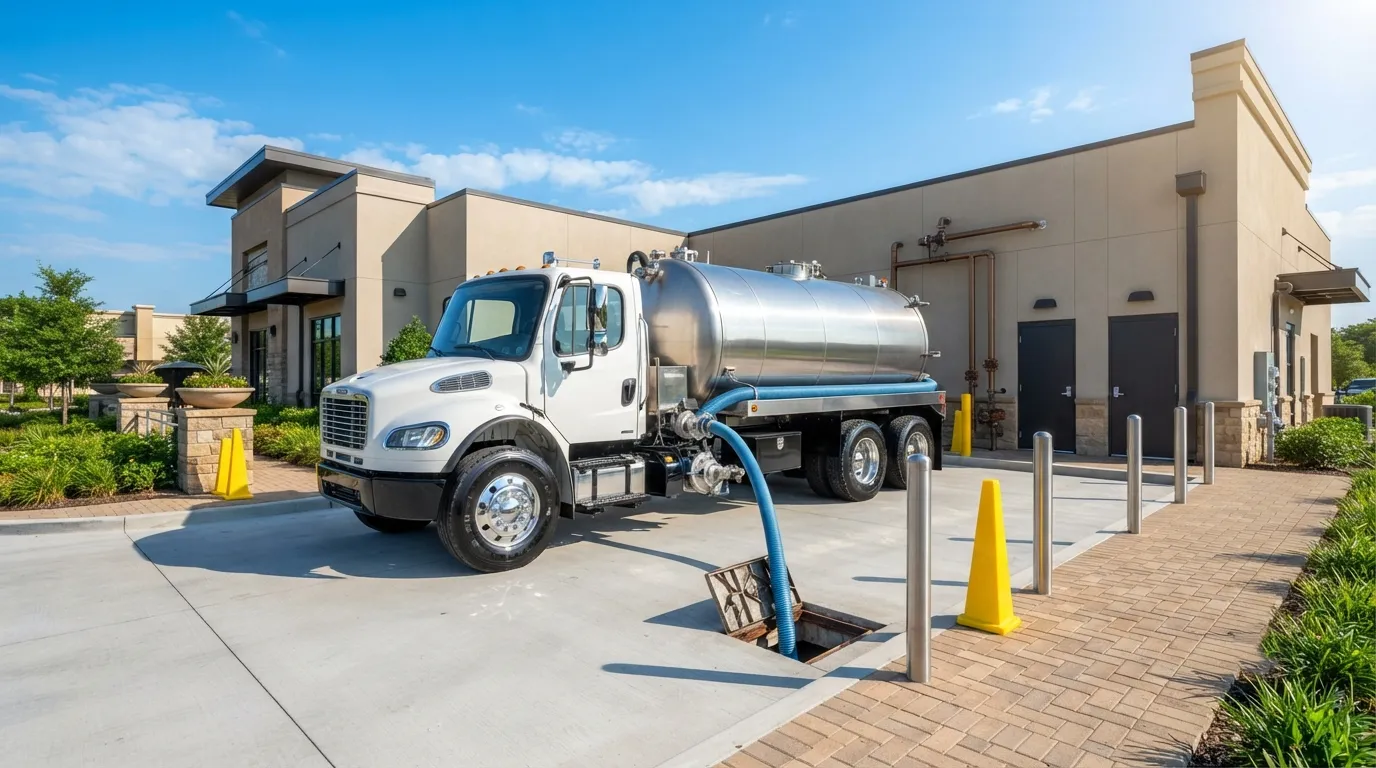
How Often Does a Grease Trap Need Pumping?
It depends on volume, not the calendar. A grease interceptor is due for service once fats, oils, grease and solids reach 25 percent of the liquid depth, and a busy New Haven kitchen can hit that mark faster than a slow one. We check depth on the first visit and set a schedule from there instead of guessing. Some accounts need biweekly service, others stretch to quarterly, and watching for septic tank warning signs helps catch problems between visits. If you also run a septic system on the property, note that a typical residential tank is pumped every 3 to 5 years, which is a completely different clock than the one on your grease trap. New Haven Porta Pros tracks both separately for properties that have them. If you are budgeting, our septic tank pumping cost page breaks down what drives those numbers, and how often to pump a septic tank covers the household side in more detail.
What Does Grease Trap Pumping Cost?
Cost depends on trap size, access, and how often you need us back. For comparable service work, standalone pump visits in our service area price out like this:
| service | duration | typical range |
|---|---|---|
| septic/grease pump visit | day | $150 to $300 |
| septic/grease pump visit | weekend | $50 to $150 |
| service call fee | day | $100 to $300 |
A restaurant with a small under-sink interceptor pays less per visit than a commercial kitchen with a large in-ground trap and heavy grease load, similar to how a holding tank rental is priced by capacity and access. Route stops near West Haven, 4.3 miles southwest of New Haven, or Hamden, 7.0 miles north, run on the same visit-based pricing since drive time factors into scheduling more than distance alone. If you are also running portable restrooms on a job site, our porta potty rental cost page and dumpster rental cost guide use the same kind of range format.
Do You Offer Emergency Grease Trap Pumping?
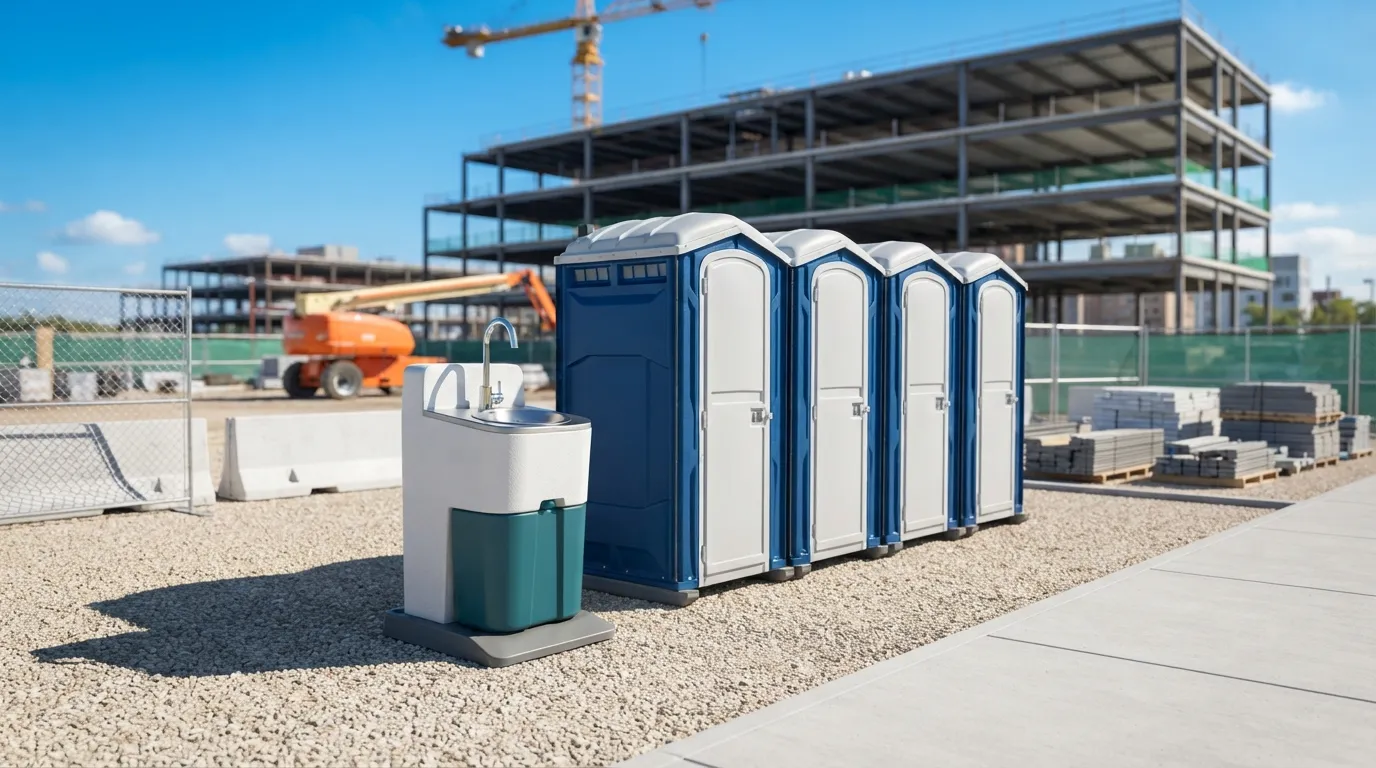
Yes. A backed-up grease trap does not wait for a slow week, and New Haven Porta Pros runs same-day emergency grease trap pumping when a trap overflows or a kitchen has to shut down a line. Emergency service call pricing for rush visits typically falls in the $400 to $1,200 range for weekend or urgent work, reflecting the truck reroute and after-hours labor. If your issue is actually a backed-up septic system rather than a grease trap, our emergency septic service page covers that separately. Commercial accounts in New Haven that need recurring emergency coverage as part of a maintenance contract should also look at our septic pumping service page for the broader service list, since grease trap work and septic pumping often get bundled for restaurant properties, and a hand sanitizer station rental can cover a kitchen entryway while the main sink is offline. We also handle handwashing station rental and portable sink rental for kitchens that need backup handwashing setups while a trap or line is down, which matters under 29 CFR 1910.141(d)(2), since soap and a hand drying device are required at wash stations and hand sanitizer does not satisfy that rule.
For construction sites running a temporary kitchen or food service trailer, general sanitation still falls under OSHA 1926.51(c), which sets toilet facility ratios by crew size. That is separate from grease trap rules but comes up often on the same jobs, and our handwashing requirements page walks through the sanitation side for crews on-site. Pair grease trap service with construction site services, temporary fence rental, a roll-off dumpster rental for site debris, or a restroom trailer rental if you are setting up a full site. Event caterers working a festival or wedding in New Haven should also check festival restroom rental, wedding restroom rental, and event restroom rental for the sanitation side, or request a quote directly for a custom setup.
How much does grease trap pumping cost near New Haven?
Standalone pump visits typically run $150 to $300 for a scheduled daytime service call, with rush or weekend work priced higher. Exact cost depends on trap size and grease volume. Ask for a quote once we measure your trap's fill level on-site.
How do I know if my grease trap needs pumping?
Check the fill depth. Once fats, oils, grease and solids reach 25 percent of the liquid depth, it is time. Slow drains, odors near the trap, or grease surfacing in the kitchen sink are common warning signs between scheduled visits.
Can I get emergency grease trap pumping in New Haven?
Yes, New Haven Porta Pros runs same-day emergency visits for overflowing or clogged traps. Emergency and weekend service calls cost more than scheduled visits, generally in the $400 to $1,200 range depending on timing and access.
Do commercial kitchens need a regular pumping schedule?
Most do. Volume determines frequency more than a fixed calendar date. A busy restaurant may need biweekly or monthly service, while a smaller cafe can go quarterly. We set the interval after measuring your trap.
Is grease trap pumping different from septic pumping?
Yes. A grease trap catches fats, oils and grease before wastewater leaves the kitchen, while a septic system treats all household or building wastewater. A residential septic tank is typically pumped every 3 to 5 years, a different schedule entirely.
Next step
Get a delivery date
Tell us the address, the dates and the headcount. We size the order and confirm the route.